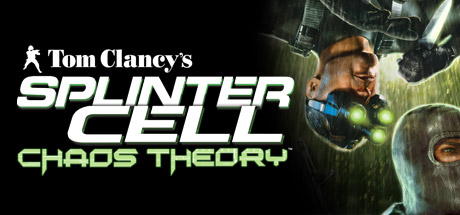
Splinter Cell: Chaos Theory
2005•Ubisoft
StealthEspionageTense
Sam Fisher at his best: light, noise and a superb two-agent co-op.
~400 ₽
10–20 h
Mark:
13 games with filters by mode, platforms, budget, length and features.
Stealth is the genre of staying unseen: you study patrol routes, wait in shadow and slip past. The tension is different from action — slow, where one wrong step means restarting the episode.
Stealth games are almost always solo and story-driven, so the “Feel the tension” mood fits best. In some of them you can finish the whole campaign touching no one — usually noted among the features.
Sam Fisher at his best: light, noise and a superb two-agent co-op.
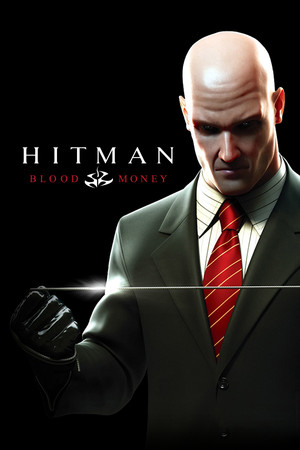
Assassination as improvisation: newspapers will report your mistakes.
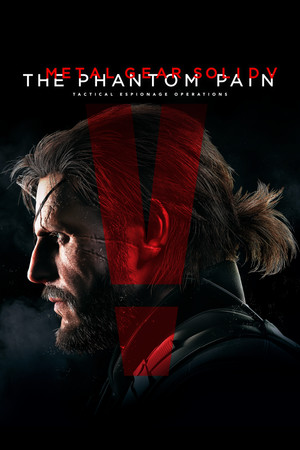
The best stealth gameplay ever made, wrapped in a very strange story.
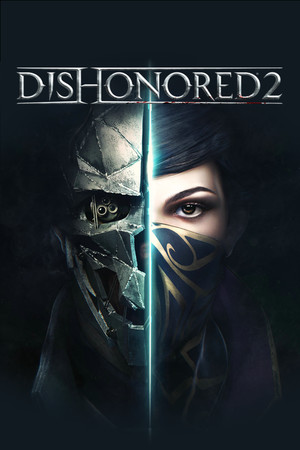
Two heroes and dozens of ways to kill or not kill: immersive sim at its best.
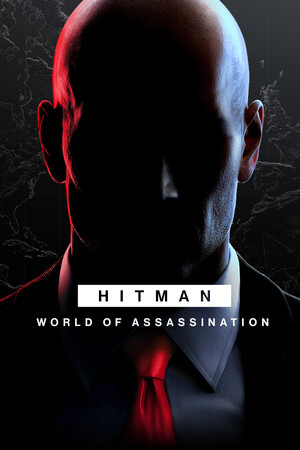
The full trilogy: a murder sandbox where failures are funnier than successes.
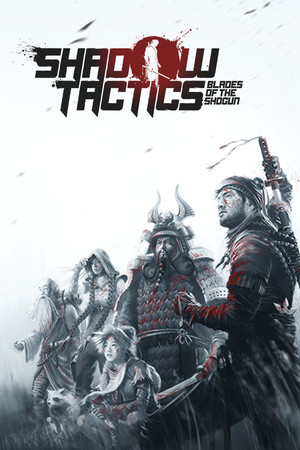
Five characters, one mistake and a reload: tactical stealth with no room for noise.
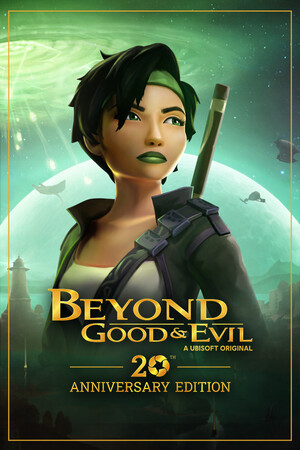
Photojournalism, conspiracy and Jade: Ubisoft’s cult oddity.
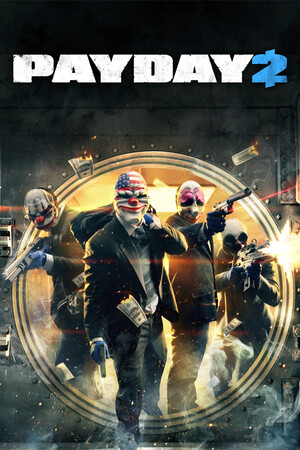
A silent bank heist in 40 seconds or total bloodshed: it all comes down to team coordination.
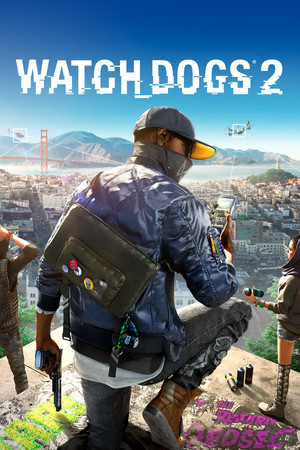
Hackers versus corporations: hacking the city is more fun than shooting it.
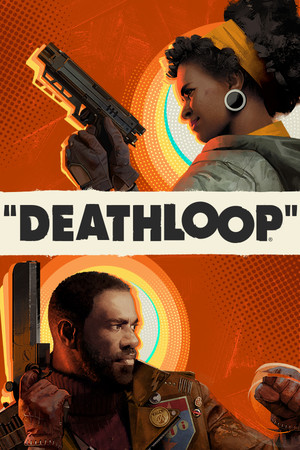
Groundhog Day for an assassin: eight targets, one loop and a rival player.
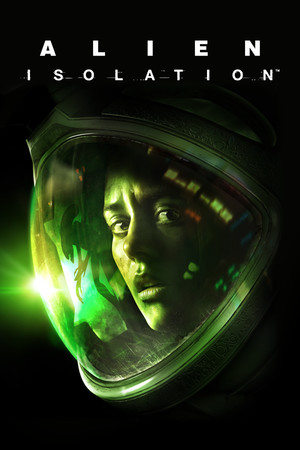
The alien does not script: it hunts. Twenty hours of unbroken tension in the style of the first film.
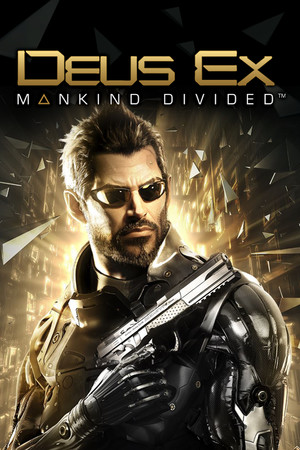
Future Prague and augmentation: the whole game can be finished without a kill.
Stealth is a genre where the main goal is to stay unseen: hide in shadows, learn guard routes, distract enemies and get through levels without open combat. A straight fight is usually dangerous or counts as failure.
Action rewards combat and quick reflexes; stealth rewards observation and patience. Many games allow both approaches, but pure stealth punishes noise and rewards finishing without raising the alarm.